


Testosterone plays a central role in male fertility, influencing sperm production, libido, energy, and overall reproductive health. When testosterone levels or hormonal signaling are disrupted, fertility challenges can follow. In recent years, peptide based approaches have gained attention for their potential to support testosterone regulation and fertility through natural signaling pathways rather than direct hormone replacement.
This article explains how peptides interact with testosterone production, where they may offer support, and what men should understand before exploring this option.
The Testosterone and Fertility Connection
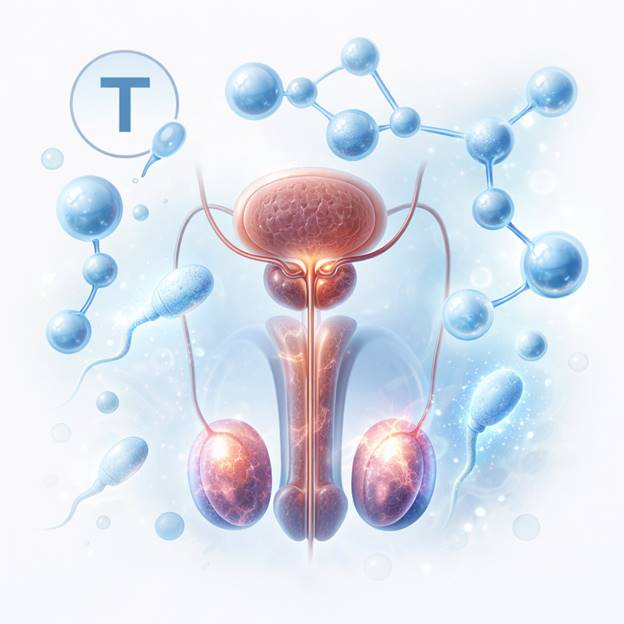
Testosterone is essential for:
Sperm production and maturation
Sexual desire and erectile function
Muscle mass and metabolic health
Mood, motivation, and energy
Low or poorly regulated testosterone can reduce sperm count, impair motility, and affect overall fertility. However, fertility is not driven by testosterone alone. It depends on coordinated signaling between the brain and the testes.
How Hormonal Signaling Controls Testosterone
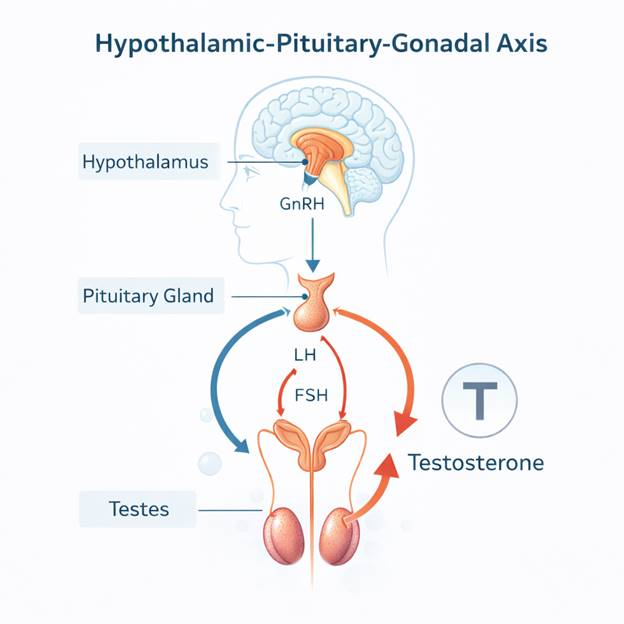
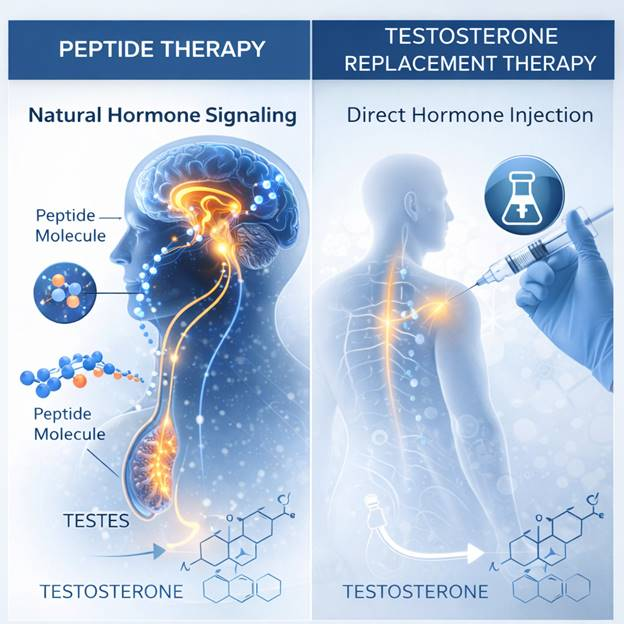
Testosterone production is regulated by the hypothalamic pituitary gonadal axis. The brain releases signaling hormones that prompt the testes to produce testosterone and support sperm development.
Disruption at any point in this pathway can affect fertility, even if testosterone levels appear normal on lab testing.
Peptides work by influencing these signaling pathways rather than overriding them.
How Peptides May Support Testosterone Regulation
Supporting Brain Based Signaling

Certain peptides are studied for their role in supporting the release of hormones from the hypothalamus and pituitary. By improving upstream signaling, the body may regulate testosterone production more effectively.
Preserving Natural Testosterone Production
Unlike testosterone replacement therapy, peptides do not directly suppress the body’s ability to produce its own testosterone. This is especially important for men who want to preserve fertility.
Supporting Testicular Function
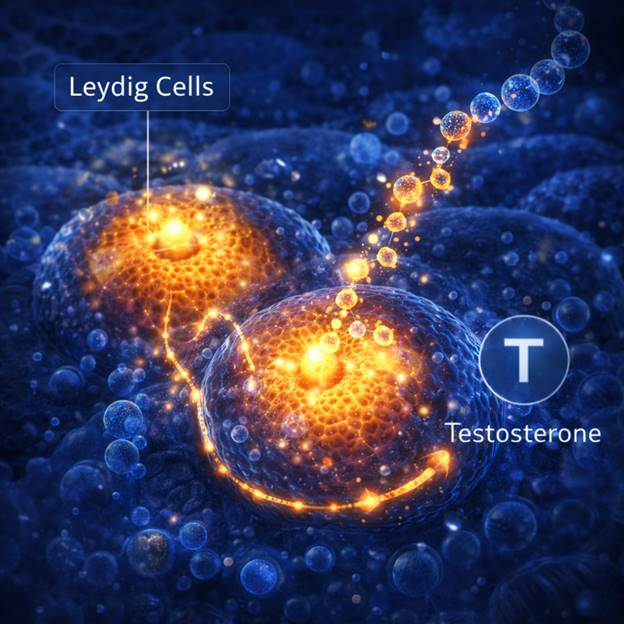
Peptide signaling may support Leydig cell activity, which is responsible for producing testosterone within the testes.
Peptides and Sperm Health

Testosterone supports sperm production, but fertility also depends on sperm quality.
Peptides may play a supportive role in:
Sperm count and development
Sperm motility
Sperm maturation environment
Overall testicular health
This makes peptide based approaches appealing for men experiencing fertility issues related to hormonal signaling rather than structural abnormalities.
Common Peptides Discussed in Testosterone and Fertility Support
One peptide frequently discussed in fertility research is Kisspeptin, which plays a key role in triggering the release of reproductive hormones from the brain. Its discovery highlighted how peptide signaling is essential for normal testosterone and sperm regulation.
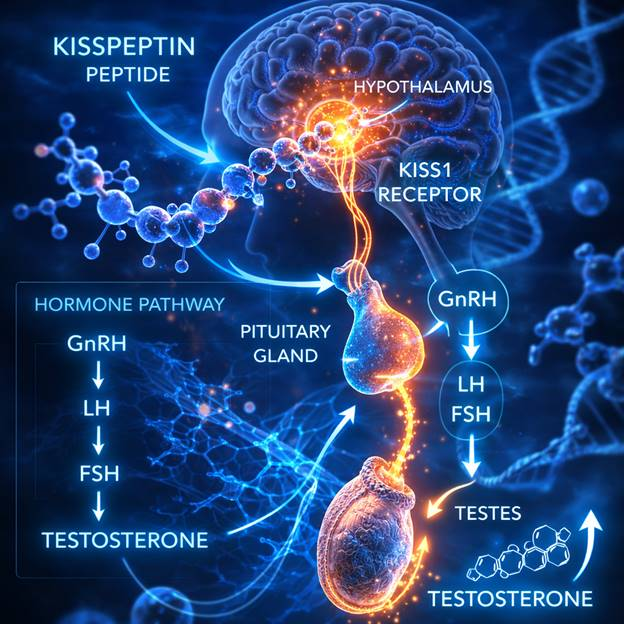
Other peptides may be explored in wellness settings for metabolic, sleep, or stress support, all of which indirectly affect testosterone and fertility.
Peptides vs Testosterone Replacement Therapy
Feature | Peptides | Testosterone Replacement |
Supports Natural Production | Yes | No |
Suppresses Sperm Production | No | Often yes |
Acts on Brain Signaling | Yes | No |
Suitable for Fertility Goals | Often | Often not |
Because testosterone replacement therapy can suppress sperm production, peptides are sometimes considered when fertility preservation is a priority.
Safety and Medical Guidance

Peptides are not universally approved for fertility treatment and should only be considered under professional supervision.
Important considerations include:
Individual hormone history and lab results
Fertility goals and timeline
Overall health and medical conditions
Coordination with fertility specialists when needed
Who May Consider Peptides for Fertility Support?
Peptides may be explored by men who:
Have low or borderline testosterone with fertility goals
Want to avoid suppressing sperm production
Experience stress related hormonal disruption
Are seeking supportive options before advanced fertility interventions
They are not appropriate replacements for medical fertility treatment when significant structural or genetic issues are present.

Frequently Asked Questions
Do peptides increase testosterone levels directly?
Most peptides support signaling rather than directly increasing testosterone.
Can peptides improve sperm count?
They may support the hormonal environment needed for sperm production, but results vary.
Are peptides safe while trying to conceive?
This depends on the specific peptide and should always be guided by a medical professional.
Final Thoughts
Peptides represent a signaling based approach to supporting testosterone and male fertility by working with the body’s natural hormone pathways. For men who want to preserve fertility while addressing low testosterone related symptoms, peptides may offer a supportive option when used responsibly and under medical guidance.
Anyone considering peptides for fertility should consult with a qualified provider to ensure safety, appropriateness, and alignment with long term reproductive goals.