

Peptides for energy have drawn growing interest among people who feel persistently tired, slow to bounce back from workouts, or simply out of step with the vitality they once had. As we learn more about how the body produces and manages cellular energy, researchers and clinicians are paying closer attention to the small signaling molecules that help coordinate recovery, repair, and metabolic function.
At Texas Center Wellness, we believe in giving you clear, science-informed information so you can make thoughtful decisions with a qualified medical provider. This article looks at how certain peptides are being studied for their role in energy, recovery, and cellular support, who may be a candidate, and what a responsible, physician-supervised approach actually looks like.
What Are Peptides for Energy?
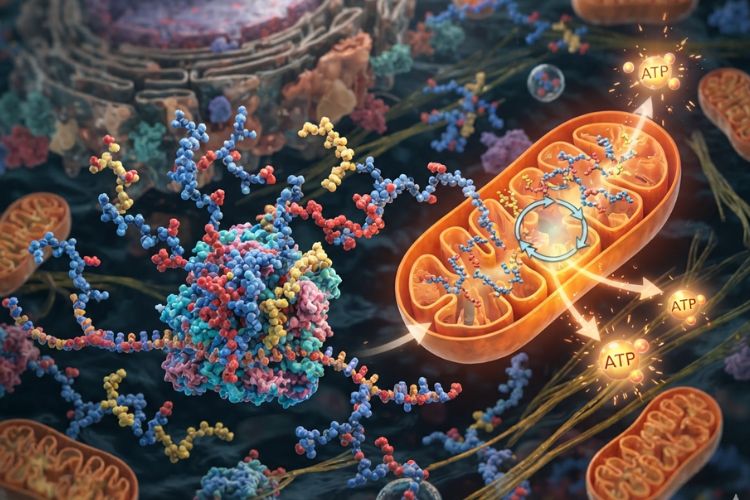
Peptides for energy are a general term for short chains of amino acids that act as signaling molecules in the body. Peptides tell cells and tissues what to do, and some of the pathways they influence are closely tied to recovery, metabolism, and how efficiently your cells generate fuel. They are not stimulants, and they do not work like caffeine. Instead, they are being studied for the way they interact with the body's own repair and regulatory systems.
When people talk about peptide therapy for energy, they are usually referring to physician-guided use of specific compounded peptides alongside foundational wellness care. The goal is to support the body's natural processes rather than to override them.
Common Categories Discussed in This Space
● Growth hormone support peptides, such as CJC-1295 with Ipamorelin, are being studied for their role in sleep quality, recovery, and body composition.
● Tissue repair peptides, such as BPC-157 and TB-500 (Thymosin Beta-4), are being researched for recovery and regenerative pathways.
● GHK-Cu is a copper peptide whose research suggests potential support for skin and tissue.
● Emerging research peptides are tied to cellular metabolism, an active area of study for their possible influence on how cells manage energy.
Most of the peptides discussed here, including BPC-157, TB-500, CJC-1295, Ipamorelin, and GHK-Cu, are not approved by the FDA as over-the-counter products and should only be considered under the supervision of a licensed medical provider. Tesamorlin is FDA-approved for a specific indication (HIV associated lipodystrophy); other uses are considered off-label.
How Peptides Work in the Body
Energy is produced deep inside your cells, in structures called mitochondria. Mitochondria convert nutrients and oxygen into usable fuel, and when this process is running well, you tend to feel more capable and recover more smoothly. When it is under strain, fatigue and slow recovery often follow. This is where the idea of mitochondrial support peptides comes from: certain peptides such as MOTS-C and SS-31, independently or in combination, are being researched for their influence on the cellular pathways involved in metabolism, repair, and inflammatory balance.
Growth hormone secretagogues as peptides, for example, may support the natural release of growth hormone, which plays a part in sleep, tissue repair, and body composition. Tissue repair peptides are being studied for their role in regeneration and recovery after physical stress. The common thread is that these compounds work with the body's signaling systems rather than acting as a quick external boost.
Potential Benefits
Although research is ongoing and individual results may vary, several potential benefits have been reported in clinical studies and patient experience. The information below is for educational purposes and is not medical advice.
1. Recovery Support After Physical Stress
One of the most common reasons people explore peptides for recovery is to support the body’s resiliency to aging and intense training, long work weeks, or physical strain. Tissue repair peptides such as BPC-157 and TB-500 are being studied for their role in regenerative pathways, and patients often report feeling that they bounce back more comfortably when recovery is supported by an overall wellness plan.
2. Support for Everyday Energy and Vitality
Persistent tiredness has many causes, from sleep and stress to hormones and nutrition. Some people turn to peptides as one part of a broader plan aimed at supporting healthy energy and daily function. Research is exploring how certain peptides interact with metabolic pathways, and clinical experience indicates that many patients notice improvements in how they feel when these tools are combined with foundational care.
3. Sleep Quality and Restoration
Restful sleep is one of the strongest drivers of daytime energy. Growth hormone support peptides are being studied for their role in sleep architecture and overnight recovery. Because much of the body's repair happens during deep sleep, supporting this window may help you feel more restored, which is often part of why people explore peptides for fatigue-related concerns.
4. Addressing Fatigue as Part of a Broader Plan
For those exploring peptides for fatigue, it is important to understand that fatigue is a symptom, not a diagnosis. A responsible approach starts with lab work and a full evaluation to understand what may be contributing. Peptides may support certain pathways, but they work best alongside attention to hormones, nutrition, sleep, and stress.
5. Cellular and Mitochondrial Support
Researchers in cellular energy have been finding out some interesting information about their subject of study. Mitochondrial support peptides have gained popularity in recent years as people are becoming more interested in using mitochondria as tools for achieving vitality. However, even though this field is still developing, it should be known that we cannot rely solely on the action of one peptide.
How Peptides for Energy Fit Into a Wellness Plan

Peptides are not a replacement for the fundamentals. In our experience, they work best as one thoughtful piece of a comprehensive plan built around the habits that most influence how you feel day to day. A well-rounded plan typically includes:
• Balanced nutrition and adequate protein to support tissue repair and steady energy.
• Consistent, high-quality sleep is one of the strongest drivers of recovery.
• Appropriate physical training matched to your goals and current capacity.
• Stress management and recovery practices that protect long-term well-being.
• Regular lab work and hormone evaluation to guide personalized decisions.
Who May Be a Candidate
Adults who feel run down, recover slowly, or want to support healthy energy and vitality sometimes ask whether peptide therapy for energy might be appropriate for them. Only a qualified, licensed medical provider can determine candidacy after reviewing your health history, current medications, and lab results.
Peptide therapy is generally not appropriate for people who are pregnant or breastfeeding, those with a personal history of certain cancers, and individuals with specific endocrine conditions. This is one of many reasons a thorough evaluation comes first, and why self-sourcing is never advised.
Safety, Side Effects, and Important Considerations
There are always aspects of therapy that need a bit of consideration. The side effects of peptides may include reactions at the injection site, fluid retention, changes in appetite, and headaches. Adverse reactions may vary from person to person, so thorough monitoring with your healthcare provider is essential.
A strong note of caution: the online marketplace for peptides is not controlled, and products sold through unlicensed vendors may be impure, mislabeled, or unsafe. Peptides that come from Texas Center Wellness are made by recognized and reputable pharmacies and used under medical supervision. Don’t purchase or inject peptides that you found on non-licensed or non-reputable sites online.
Finally, competitive athletes should be aware that many growth hormone support peptides and related compounds appear on the World Anti-Doping Agency (WADA) prohibited list. If you compete, consult your sport's governing body before considering any of these therapies.
What to Expect From a Consultation
Intake and history. We start by understanding your symptoms, goals, lifestyle, and full medical background.
Lab work. Targeted testing helps us understand what may be contributing to fatigue or slow recovery, rather than guessing.
Personalized review. We walk through your results together and discuss whether peptides or other options may fit your situation.
Expectations discussion. We talk honestly about what the research does and does not show, along with realistic timelines and considerations.
Ongoing monitoring. If therapy is appropriate, we follow your progress and adjust the plan with your input over time.
Frequently Asked Questions
1. How are peptides for energy different from stimulants like caffeine?
Stimulants create instant lifts because they work on the nervous system, whereas peptides for energy are completely different in that they act as signaling molecules that are still being researched with respect to how they affect the body.
2. How long does it take to notice changes with peptide therapy for energy?
Timeframes differ from case to case depending on the type of peptide, your health status, and all other aspects of your treatment plan. Some patients can see improvement after several weeks, while others may experience less effect.
3. Are peptides for recovery legal and FDA-approved?
Most peptides discussed for recovery, such as BPC-157 and TB-500, are not FDA-approved and are prepared by licensed compounding pharmacies under a prescription. They should only be used under medical supervision, never sourced from unverified online sellers.
4. Can peptides replace sleep, nutrition, and exercise?
The answer is no. While peptides may be helpful in certain areas, they cannot fully replace the basics of good health. Sleep, nutrition, exercise, and managing stress are the cornerstones of good health and productive energy, of which peptides represent only part of the picture.
Explore This at Texas Center Wellness
If low energy or slow recovery has been holding you back, you do not have to guess your way through it. At Texas Center Wellness, we offer personalized care, thoughtful evaluation, and ongoing monitoring to help you understand what is really going on and whether peptides may have a role.
To learn whether peptide therapy for energy might fit your goals, reach out to schedule a consultation with our team.
Medical Disclaimer
This blog is for educational and informational purposes only and is not intended as medical advice, diagnosis, or treatment. Statements regarding peptides have not been evaluated by the U.S. Food and Drug Administration (FDA), and these products are not intended to diagnose, treat, cure, or prevent any disease. Always consult a qualified, licensed healthcare provider before starting any new therapy or making changes to your health regimen. Individual results may vary.