
Exogenous testosterone in women is drawing growing interest as more women look for science-informed ways to support energy, sexual health, and overall vitality through the hormonal shifts of perimenopause and beyond. Testosterone is often thought of as a male hormone, yet it plays an important role in the female body throughout life, and levels can begin to decline well before menopause.
At Texas Center Wellness, we believe in giving you clear, science-informed information so you can make confident decisions with a qualified medical provider. In this article, we will look at what exogenous testosterone in women involves, the symptoms often linked to low levels, the potential benefits being studied, and what a thoughtful, medically supervised approach looks like.
What Is Exogenous Testosterone in Women?
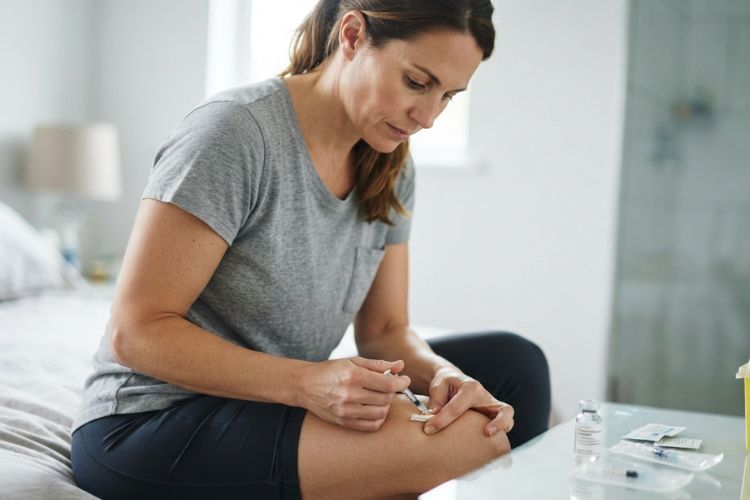
Exogenous testosterone in women refers to testosterone that comes from outside the body, prescribed and supervised by a medical provider, rather than the testosterone that a woman's ovaries and adrenal glands produce naturally. Although it is present in much smaller amounts than in men, testosterone contributes to a woman's libido, cognition, energy, mood, muscle tone, and bone strength across the lifespan.
Female testosterone replacement is not the same as the higher dose testosterone therapy used in men. When testosterone is prescribed for women, providers aim for the physiologic range typical of a healthy premenopausal woman, using much lower amounts than male formulations. This is why individualized, provider-guided care matters so much.
Common Forms Used in Care
Testosterone for women may be delivered in several forms, each with its own considerations. A qualified medical provider determines which approach, if any, is appropriate:
● Topical creams or gels applied to the skin
● Subcutaneous pellets are placed under the skin
● Other compounded preparations including injectable, tailored by a licensed pharmacy
Because commercially available products are formulated for men, women are typically treated with compounded or carefully adjusted low-dose preparations.
Importantly, there is currently no testosterone product approved by the FDA specifically for use in women in the United States. When testosterone is prescribed for women, it is considered off-label, and it should only be considered under the supervision of a licensed medical provider.
How Exogenous Testosterone Works, and Signs of Low Levels
Testosterone is a naturally produced androgenic hormone that interacts with receptors throughout the body, including in the brain, muscles, bones, and reproductive tissues. In balanced amounts, it contributes to sexual desire, motivation, lean muscle, and a sense of energy and well-being. As women age, and especially as they move through perimenopause and menopause, androgen levels can gradually decline.
Low testosterone in women does not always announce itself clearly, and its signs often overlap with other hormonal changes. Symptoms that women often report, and that may prompt a conversation about hormone health, include:
● Persistent fatigue or low energy
● Reduced sexual desire or satisfaction
● Changes in mood, motivation, or mental clarity
● Difficulty maintaining muscle tone despite regular exercise
● A general sense of diminished vitality
These symptoms can have many causes, so only a qualified medical provider can determine whether they relate to hormone levels through proper evaluation and lab work.
Potential Benefits of Female Testosterone Replacement
Although research is ongoing and individual results may vary, several potential benefits have been reported in clinical studies and patient experience. The information below is for educational purposes and is not medical advice. The most established research on exogenous testosterone benefits in women centers on sexual wellbeing, while other areas continue to be studied.
1. Support for Sexual Desire and Satisfaction
The most widely researched area of testosterone supplementation in women seems to be sexual health and sexual satisfaction. Various studies that involve postmenopausal females, including many randomized controlled trials, have demonstrated a positive correlation between physiological testosterone and sexual desire, arousal, and satisfaction. For many women, this is the change that they notice and appreciate most.
2. Energy and Everyday Vitality
Numerous women interested in the topic of hormone health seek help because they suffer from chronic fatigue. Patients frequently report that their energy levels visibly improve once their hormone levels start to be properly treated. This is a rather new field of research, and testosterone should always be regarded as one of the options and not a universal solution.
3. Mood and Sense of Wellbeing
The brain's pathways that affect mood and motivation are influenced by testosterone. There are documented claims from women whose mood improves with normal hormonal function. However, because mood is affected by many factors, the consequences of this relationship should be called supportive and not guaranteed.
4. Lean Muscle and Body Composition
Testosterone plays an important role in muscle gain and retention. The effects of female testosterone replacement therapy support muscle tone and composition only when combined with physical activity and dietary practices.
5. Bone Health Support
As we grow older, our bones change due to aging and changing hormone levels, and research is being done to understand the role of testosterone in bone density, along with estrogen and other factors. Any treatment regarding bone health is multifactorial and must be personalized and supervised by a qualified practitioner.
6. Cognitive Clarity, an Area of Active Research
Women have reported improved concentration and clearer thinking processes due to balanced hormones. The relation between testosterone and cognition in women is still being studied, but the research is still in its early stages.
How Exogenous Testosterone Fits Into a Wellness Plan
Hormone support works best as part of a comprehensive approach rather than in isolation. For many women, testosterone is considered alongside other hormones as part of BHRT for women, or bioidentical hormone replacement therapy, which uses hormones structurally identical to those the body makes. A well-designed plan looks at the whole picture.
A comprehensive wellness plan typically includes:
• Balanced nutrition that supports hormone health
• Consistent sleep and stress management
• Regular strength and cardiovascular training
• Baseline and follow-up lab work
• Ongoing communication with your provider
Testosterone, when appropriate, is layered onto this foundation, not used as a replacement for it.
Who May Be a Candidate
Candidacy for exogenous testosterone in women is highly individual. Women who explore this option often have bothersome symptoms, such as low sexual desire, persistent fatigue, or changes in mood and vitality, that have not improved with foundational lifestyle changes, and who have had appropriate lab evaluation. Only a qualified medical provider can determine whether testosterone is appropriate for you.
Testosterone therapy is generally not appropriate for certain women, including those who are pregnant, trying to become pregnant, or breastfeeding, and those with a personal history of certain hormone-sensitive conditions. This is why a thorough medical and personal history is an essential first step. Your provider will weigh the potential benefits against your individual health profile.
Safety, Side Effects, and Important Considerations
No hormone therapy is totally risk-free, hence the need for transparency. Some women using testosterone may have side effects if the dosage is above a physiological level, which could manifest as acne, skin oiliness, increased hair growth, or voice alterations. As an important tip, make sure that the provider regularly checks the hormone levels.
A very important piece of advice: testosterone is a controlled substance, and its prescription requires medical supervision. When bought online or from questionable sources, it may be dangerous, mislabeled, and illegal. Women should obtain testosterone solely from the licensed providers and reputable compounding pharmacies. Women in professional sports should keep in mind that testosterone is included in the World Anti-Doping Agency (WADA) prohibited list; therefore, they need to check whether using the hormone is allowed with their governing organization prior to using it.
What to Expect From a Consultation
Comprehensive intake. We begin with a detailed conversation about your symptoms, health history, goals, and lifestyle.
Laboratory evaluation. Targeted lab work helps us understand your current hormone levels and overall health markers.
Personalized review. We review your results together and discuss whether hormone support, including exogenous testosterone in women, may fit your needs.
Clear expectations. We talk through potential benefits, possible side effects, and realistic timelines, so you can make an informed decision.
Ongoing monitoring. If therapy is appropriate, we schedule regular follow-up and lab work to keep your plan safe, effective, and tailored to you.
Frequently Asked Questions
Is exogenous testosterone in women the same as men's testosterone therapy?
Only in the amount prescribed, but is bio-identically the same as testosterone utilized and naturally produced in men and women. While the hormone itself is the same, female testosterone replacement uses much lower amounts aimed at the physiologic range of a healthy premenopausal woman. Male formulations are far too strong for women, which is why individualized, provider-guided dosing matters.
How long does it take to notice changes?
Timelines vary from person to person. Some women report subtle changes in energy or libido within a few weeks, while other potential benefits may take longer. Your provider will set realistic expectations and monitor your progress with follow-up visits and lab work.
Is testosterone therapy for women legal?
Testosterone is a legal prescription therapy when prescribed and supervised by a licensed medical provider. Because there is no FDA-approved testosterone product for women in the United States, it is used off-label, which is common and legal in experienced medical hands.
Can testosterone replace healthy lifestyle habits?
No. Testosterone works best alongside good nutrition, sleep, stress management, and regular exercise. It is one part of a comprehensive plan, such as BHRT for women, not a shortcut around the foundations of long-term health.
Explore This at Texas Center Wellness
If you are curious about exogenous testosterone in women and whether it fits your goals, we are here to help you explore your options with personalized care, thoughtful evaluation, and ongoing monitoring. Female testosterone replacement is a highly individual decision, and our team takes the time to understand your unique health picture.
Reach out to Texas Center Wellness to schedule a consultation and learn whether a personalized approach to hormone health, including BHRT for women, may be right for you.
Medical Disclaimer
This blog is for educational and informational purposes only and is not intended as medical advice, diagnosis, or treatment. Statements regarding hormones have not been evaluated by the U.S. Food and Drug Administration (FDA), and these products are not intended to diagnose, treat, cure, or prevent any disease. Always consult a qualified, licensed healthcare provider before starting any new therapy or making changes to your health regimen. Individual results may vary.