


You sleep eight hours and still wake up drained. Your lifts have stalled, desire that once came easily now needs coaxing, and your patience runs out faster than it used to. Most men blame age or stress. Sometimes the common thread is low testosterone in men, a hormone shortfall that affects energy, mood, muscle, bone, and sexual function at the same time.
The catch is that one lab number rarely settles the question. A man can test “low” and feel fine, or feel every symptom while poor sleep or depression is the real driver. This guide covers the signs, causes, proper testing, natural strategies, and testosterone replacement treatments, including the FDA labeling updates requested in June 2026.
Quick Answer: Low testosterone in men generally means a level below about 300 ng/dL on two separate early-morning blood tests, together with symptoms such as low sex drive, fewer morning erections, or fatigue. Options range from lifestyle changes to physician-supervised testosterone therapy with regular monitoring.
What Is Low Testosterone in Men?
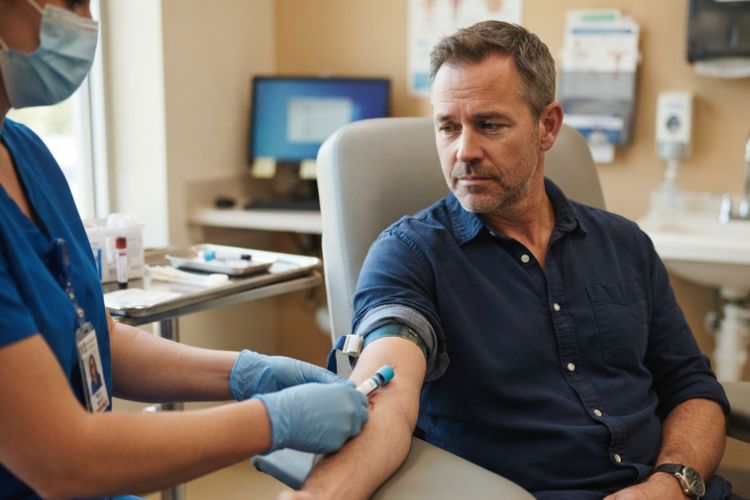
Low testosterone, also called male hypogonadism, means the body does not make enough testosterone, and symptoms appear as a result. The American Urological Association (AUA) uses a cutoff of 300 ng/dL; the Endocrine Society uses about 264 ng/dL. Both require repeat morning testing.
When the problem starts in the testes, it is called primary low testosterone. When it starts in the pituitary gland, it is secondary. The difference shapes which options make sense, especially for men who want children.
Did You Know? In the U.S. HIM study, about 39% of men aged 45 and older had testosterone below 300 ng/dL. Yet in the European Male Ageing Study, only about 2% of men aged 40 to 79 had both low levels and specific sexual symptoms.
Signs of Low Testosterone in Men
The signs of low testosterone in men build slowly, so many men adjust to them for years. In the European Male Ageing Study, three symptoms tracked most closely with low levels:
Sexual Symptoms
Reduced interest in sex
Fewer spontaneous morning erections
Erectile difficulty
If libido is your main concern, a sexual health clinic can look at hormones, circulation, and stress together.
Physical and Mood Symptoms
Fatigue that sleep does not restore
Loss of muscle and strength despite training
More belly fat
Lower bone density over time
Irritability, low motivation, and trouble concentrating
Low Testosterone Symptoms in Men That Overlap With Other Conditions
Many low testosterone symptoms in men mirror other problems. Fatigue can come from sleep apnea or thyroid changes, and low libido often traces back to depression or stress. When mood leads the picture, pairing hormone testing with mental health support often gives a clearer answer.
What Causes Low Testosterone in Men?
Age gets most of the blame, but weight, sleep, and medications often matter more. Common causes include:
Aging: The Massachusetts Male Aging Study found total testosterone drops about 1.6% per year from midlife.
Excess weight and type 2 diabetes: Body fat converts testosterone to estrogen and disrupts the signals that drive production.
Poor sleep: Most testosterone release happens during sleep, and sleep apnea cuts into it.
Medications: Long-term opioids, glucocorticoids, and past anabolic steroid use can suppress production.
Testicular conditions: Injury, chemotherapy, radiation, or genetic conditions such as Klinefelter syndrome.
Pituitary conditions: Tumors, high prolactin, or iron overload.
Heavy alcohol use and chronic illness
How Low Testosterone Is Confirmed
Many men hear “your levels are normal” after one afternoon test. A careful workup looks like this:
Test between 7 and 10 a.m., when levels peak.
Repeat on a separate day. The AUA and Endocrine Society require two low readings.
Check free testosterone and SHBG when results are borderline.
Measure LH and FSH to see where the problem starts.
Add targeted labs such as prolactin, hematocrit, and PSA, read alongside symptoms and goals.
How to Increase Testosterone: What the Research Supports
If you want to know how to increase testosterone without medication, lifestyle changes help most when the cause is lifestyle-related.
Sleep seven to nine hours. In a 2011 JAMA study, young men limited to five hours of sleep for one week saw daytime testosterone fall 10% to 15%.
Lose excess body fat. A 2013 meta-analysis in the European Journal of Endocrinology linked weight loss to meaningful testosterone increases.
Strength train two to four times a week.
Limit alcohol and manage stress.
Review long-term medications with your physician. Never stop a prescription on your own.
What about testosterone booster supplements? A study in the World Journal of Men’s Health reviewed 50 products. While 90% claimed to boost testosterone, only 24.8% had published data showing an increase, and 10.1% had data showing a decrease.
For a lab-based plan, explore our hormone optimization therapy programs.
Testosterone Replacement Treatments: Options, Benefits, and Risks
Testosterone products are FDA-approved for men with low testosterone associated with a medical condition (hypogonadism). Testosterone is a Schedule III controlled substance, so it must be prescribed by a licensed provider and filled through a licensed pharmacy.
What Changed at the FDA
In February 2025, the FDA recommended removing boxed warning language about cardiovascular risk and added a blood pressure warning. On June 18, 2026, HHS announced the FDA is requesting further label updates that would remove the limitation on age-related low testosterone, narrow the prostate cancer contraindication to metastatic disease, and soften the enlarged prostate warning. Screening and monitoring remain required.
Common Forms
Form | Frequency | Key consideration |
Injections | Weekly to every 2 weeks | Peaks and dips; larger rise in red blood cell count |
Gels | Daily | Steady levels; risk of skin transfer to others |
Oral capsules | Twice daily | No needles; blood pressure monitoring |
Pellets | Every 3 to 6 months | Minor office procedure |
Benefits and Risks
The strongest evidence supports sexual function. In the Testosterone Trials (790 men aged 65 and older, NEJM 2016), therapy modestly improved sexual function and mood but not vitality or walking distance.
The TRAVERSE trial (5,246 men aged 45 to 80, NEJM 2023) found no increase in major cardiovascular events with testosterone gel. It did record more atrial fibrillation (3.5% vs. 2.4%), pulmonary embolism (0.9% vs. 0.5%), and acute kidney injury (2.3% vs. 1.5%). Other side effects include higher hematocrit, raised blood pressure, and acne. Monitoring typically happens at 3 to 6 months, then yearly.
Fertility: The Risk Men Hear About Too Late

Outside testosterone signals the brain to stop sperm-supporting hormones, which can sharply lower sperm counts. For men who want children, physicians may consider hCG, which is FDA-approved for certain pituitary-related cases in males, or clomiphene citrate, which is off-label in men.
Did You Know? Buying testosterone online without a prescription means no one is checking your blood count, blood pressure, or prostate markers. Physician supervision and licensed pharmacy sourcing are essential.
See how hormone support fits a broader plan in our guide to bioidentical hormone replacement therapy.
Conclusion
Low testosterone in men is often misread: dismissed as aging in some men, and acted on after one afternoon test in others. The right path begins with proper testing and a clear look at the causes. For some men, lifestyle changes are enough. For others, monitored testosterone replacement treatments, chosen with fertility, heart, and prostate health in mind, may support energy, sexual function, and body composition.
Book a Consultation
Texas Center Wellness offers physician-led telehealth hormone therapy in 18 states, led by Dr. R. David Calvo. Your visit starts with your symptoms, thorough lab work, and a personalized plan. Book an appointment or call (512) 957-0001.
Frequently Asked Questions
What testosterone level is considered low for a man?
The AUA uses below 300 ng/dL on two early-morning tests, paired with symptoms. The Endocrine Society uses about 264 ng/dL.
What are the first signs of low testosterone in men?
Lower sex drive, fewer morning erections, and fatigue that sleep does not restore are often the earliest signs.
Does testosterone therapy affect fertility?
Yes. It can sharply reduce sperm production, so men who want children should raise this before starting.
How long does testosterone therapy take to work?
Some men notice changes in desire within weeks. Guidelines recommend reviewing symptoms and labs at 3 to 6 months.
Medical Disclaimer
This article is for educational and informational purposes only and is not intended as medical advice. The information presented does not constitute a claim to treat, prevent, mitigate, or cure any disease or condition. Testosterone products are FDA-approved for men with low testosterone associated with a medical condition (hypogonadism) only. hCG is FDA-approved for specific indications only, and the use of clomiphene citrate in men is off-label. All treatment decisions should be made in consultation with a qualified healthcare provider based on your individual health profile. Results vary by patient. Texas Center Wellness does not guarantee specific outcomes from any therapy.